

For a decade, Jennifer Crow has taken care of her elderly parents, who have multiple sclerosis. After her father had a stroke in December, the family got serious in its conversations with a retirement community 鈥� and learned that one service it offered was covid-19 vaccination.
鈥淭hey mentioned it like it was an amenity, like 鈥榃e have a swimming pool and a vaccination program,鈥欌�� said Crow, a librarian in southern Maryland. 鈥淚t was definitely appealing to me.鈥� Vaccines, she felt, would help ease her concerns about whether a congregate living situation would be safe for her parents, and for her to visit them; she has lupus, an autoimmune condition.
As the coronavirus death toll soars and demand for the covid vaccines dwarfs supply, an army of hospitals, clinics, pharmacies and long-term care facilities has been tasked with getting shots into arms. Some are also using that role to attract new business 鈥� the latest reminder that health care, even amid a global pandemic, is a commercial endeavor where some see opportunities to be seized.
鈥淢ost private sector companies distributing vaccines are motivated by the public health imperative. At some point, their DNA also kicks in,鈥� said , associate professor emeritus of marketing at Boston University.
Among senior living facilities 鈥� which saw their last year 鈥� some companies are marketing vaccinations to recruit residents. Sarah Ordover, owner of , a referral agency, said many in her area are offering vaccines 鈥渁s a sweetener鈥� to prospective residents, sometimes if they agree to move in before a scheduled vaccination clinic.
, a high-end retirement community chain with 34 locations, primarily in California, has advertised 鈥渆xclusive access鈥� to the vaccines via social media and email. A call to action on social media reads: 鈥淩eserve your apartment home now to schedule your Vaccine Clinic appointment!鈥�
Although the vaccine offer was a selling point for Crow, it wasn鈥檛 for her parents, who have not been concerned about contracting covid and didn鈥檛 want to forgo their independence, she said. Ultimately, they moved in with her sister, who could arrange home care services.
This marketing approach might sway others. Oakmont Senior Living, based in Irvine, reported 92 move-ins across its communities last month, a 13% increase from January 2020, noting the vaccine is 鈥渏ust one factor among many鈥� in deciding to become a resident.
But some object to facilities using vaccines as a marketing tool. 鈥淚 think it鈥檚 unethical,鈥� said Dr. Michael Carome, director of health research at consumer advocacy group . While he believes that facilities should provide vaccines to residents, he fears attaching strings to a vaccine could coerce seniors, who are particularly vulnerable and desperate for vaccines, into signing a lease.
Tony Chicotel, staff attorney at , worries that seniors and their families could make less informed decisions when incentivized to sign by a certain date. 鈥淵ou鈥檙e thinking, 鈥業鈥檝e got to get moved in in the next week or otherwise I don鈥檛 get this shot. I don鈥檛 have time to read everything in this 38-page contract,鈥欌�� he said.

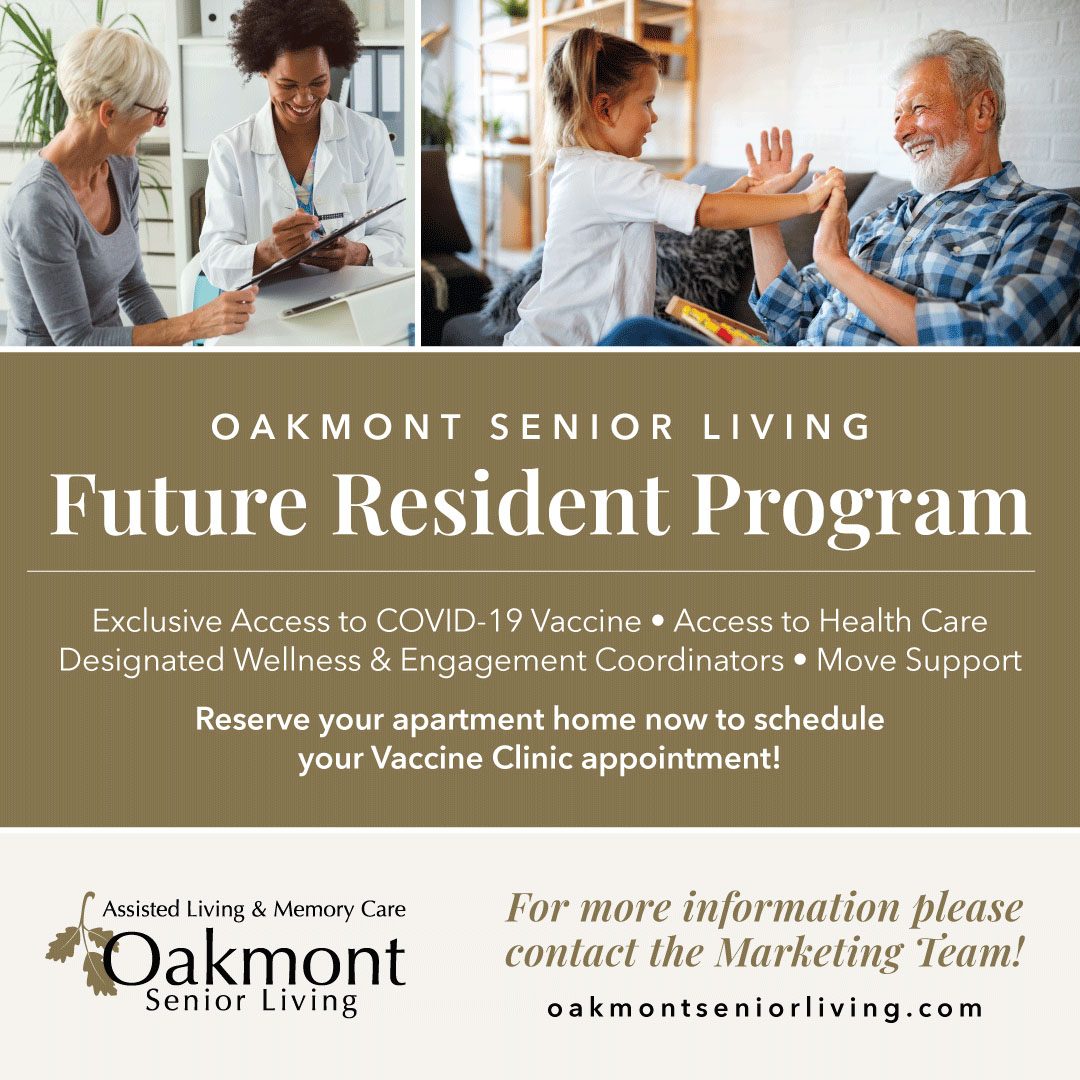
Oakmont Senior Living responded by email: 鈥淧otential residents and their families are always provided with the information they need to be confident in a decision to choose Oakmont.鈥�
Some people say facilities are simply meeting their demand for covid vaccines. 鈥淲ho is going to put an elderly person in a place without a vaccine? Congregate living has been a hotbed of the virus,鈥� said retired philanthropy consultant Patti Patrizi. She and her son recently chose a retirement community in Los Angeles for her ex-husband for myriad reasons unrelated to the vaccines. However, they accelerated the move by two weeks to coincide with a vaccination clinic.
鈥淚t was definitely not a marketing tool to me,鈥� said Patrizi. 鈥淚t was my insistence that he needs it before he can live there.鈥�
The concept of using vaccines to market a business isn鈥檛 new. , and pharmacies have since credited flu vaccines with boosting . Many offer prospective vaccine recipients .
A few pharmacies have continued these marketing activities while rolling out covid shots. On its covid vaccine information site, encouraged visitors to sign up for its rewards program to earn credits for vaccinations. Supermarket and pharmacy chain and its subsidiaries have a button on their covid vaccine information sites saying, 鈥淭ransfer your prescription.鈥�
But the pandemic isn鈥檛 business as usual, said , a business ethics professor at New York University. 鈥淭his is a public health emergency,鈥� she said. Companies distributing covid vaccines should ask themselves 鈥淗ow can we get society to herd immunity faster?鈥� rather than 鈥淗ow many customers can I sign up?鈥� she said.
In an email response, CVS said it had removed the reference to its rewards program from its covid vaccination page. Patients will not earn rewards for receiving a covid shot at its pharmacies, the company said, and its focus remains on administering the vaccines.
Albertsons said via email that its covid vaccine information pages are intended to be a one-stop resource, and information about additional services is at the very bottom of these pages.
Boston University鈥檚 Clarke doesn鈥檛 see any harm in these marketing activities. 鈥淎s long as the patient is free to say 鈥榥o, thank you,鈥� and doesn鈥檛 think they鈥檒l be penalized by not getting a vaccine, it鈥檚 not a problem,鈥� she said.
At least one health care provider is offering complimentary services to people eligible for covid vaccines. Membership-based primary care provider 鈥� now inoculating people in several states, including California 鈥� offers a free 90-day membership to groups, such as people 75 and older, that a local health department has tasked the company with vaccinating, according to an email from a company spokesperson who noted that vaccine supply and eligibility requirements vary by county.
The company said it offers the membership 鈥� which entails online vaccine appointment booking, second dose reminders and on-demand telehealth visits for acute questions 鈥� because it believes it can and should do so, especially when many are struggling to access care.
While these may very well be the company鈥檚 motives, a free trial is also a marketing tactic, said Silicon Valley health technology investor . Whether it鈥檚 Costco or One Medical, any company offering a free sample hopes recipients buy the product, he said.
Offering free trial memberships could pay off for providers like One Medical, he said; local health departments can refer many patients, and converting a portion of vaccine recipients into members could offer a cheaper way for providers to get new patients than finding them on their own.
鈥淣ormally, there鈥檚 no free stuff at a provider, and you have to be sick to try health care. This is a pretty unique circumstance,鈥� said Kocher, who doesn鈥檛 see boosting public health and taking advantage of an uncommon marketing opportunity as mutually exclusive here. 鈥淰accination is a super valuable way to help people,鈥� he said. 鈥淎 free trial is also a great way to market your service.鈥�
One Medical insisted the membership trial is not a marketing ploy, noting that the company is not collecting credit card information during registration or auto-enrolling trial participants into paid memberships. But patients will receive an email notifying them before their trial ends, with an invitation to sign up for membership, said the company.
Health equity advocates say more attention needs to be paid to the people who slip under the radar of marketers 鈥� yet are at the highest risk of getting and dying from covid, and the least likely to be vaccinated.
, an elder-abuse attorney in San Francisco, noted that the high cost of many assisted living facilities is often prohibitive for the working class and people of color. 鈥淎frican Americans are dying [from covid] at a rate three times as much as white people,鈥� she said. 鈥淎re they getting these vaccine offers?鈥�
This story was produced by , which publishes , an editorially independent service of the .