
Beginning End Of Life Care At The Dinner Table
Michael Hebb wants you to pass the butter, and then talk about passing on.
As the founder of 聽he urged Americans to engage in a conversation about how they want to die, a conversation that could change the high cost of caring for the terminally ill and grant patients their ultimate requests.
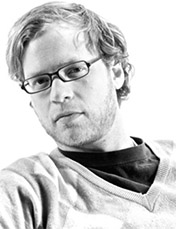
鈥淥ur hope is to spark the gentlest revolution imaginable,鈥� he said at the on Thursday evening.
Hebb鈥檚 talk was part of a session called 鈥淲elcoming Death Into Life,鈥� which included talks by an opera singer who had undergone two lung transplants, an ER doctor-turned-engineer, and an anthropologist who studied an Indonesian tribal community that sometimes waits years to have a funeral when someone dies.
, pointed to statistics that show that 75 percent of the population said they wanted to die at home, but only 25 percent did. The audience also murmured in surprise at a slide showing that 43 percent of Medicare recipients spend all of their assets on end-of-life care.
But , author of offered the counterpoint and a window into why end-of-life care is so expensive as she told her story about how difficult it is to allow a family member to die, even when his prognosis is grim.
Bennet鈥檚 husband lived for seven years after being diagnosed with kidney cancer, a time span that included close calls, aggressive therapy and remission. She said that she and her husband were an adventurous and strong couple, and the idea that there was no hope never crossed their minds.
鈥淲e had a heroic narrative for fighting together, but we didn鈥檛 have a heroic narrative for letting go,鈥� she said.
Bennet said that she and her husband had advance directives 鈥� a sort of living will for ill patients 鈥� and expert advice not to continue his treatment, but there was a combination of denial and optimism that overshadowed decisions during that time.
Hebb said wills and directives should be openly discussed with close friends and family. Coupled with the power of sharing a meal, he said a dialogue about death could lead to a more fulfilling life, if patients were willing to have it.
鈥淲e need a patient revolution to change the cost of death,鈥� he said.
And while Bennet said she wouldn鈥檛 replace their last seven years together, she realized when her husband died that they had never said goodbye.
鈥淲e never got the chance to turn to each other to say, 鈥楬ey buddy, it鈥檚 been a hell of a ride鈥�,鈥� she said.


